
 රු LKR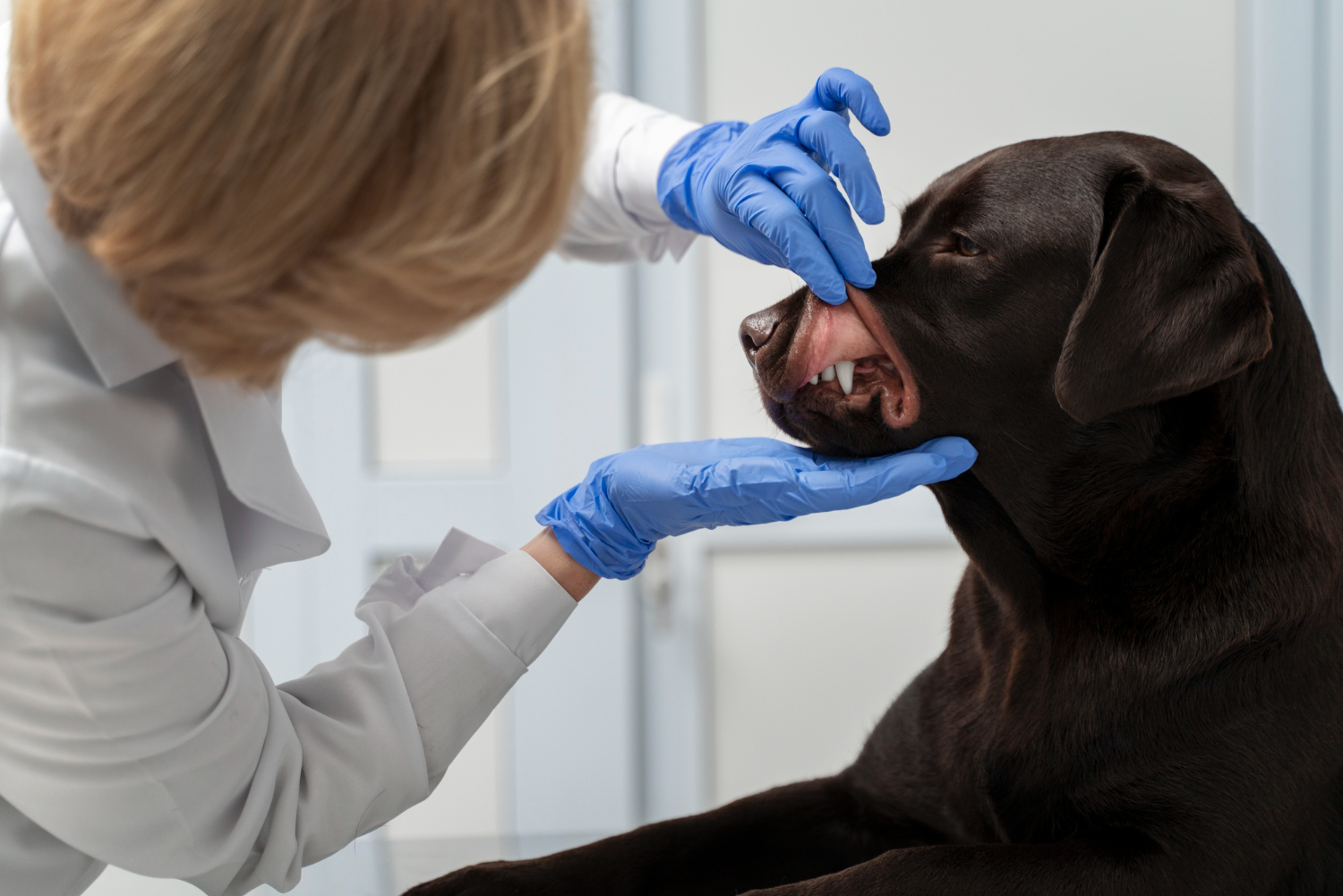
As dedicated Pet Mommies and Daddies, we focus on food, walks, and cuddles. But how often do we think about their teeth? Dental disease is one of the most common issues affecting pets globally, and a neglected mouth can lead to serious health problems that extend far beyond bad breath.
Brushing your dog or cat’s teeth is an act of love—and a vital part of preventative care.
The Hidden Danger of Plaque and Tartar
When food particles and bacteria build up on your pet’s teeth, they form a sticky film called plaque. If plaque isn’t removed, it hardens into tartar, leading to gingivitis (gum inflammation) and eventually, severe Periodontal Disease.
In Sri Lanka, where many pets eat a mix of commercial and home-cooked foods, consistent dental cleaning is essential to prevent this buildup from causing chronic pain and infection.
The Scary Truth: Bacteria from severe dental infections can travel through your pet’s bloodstream to major organs like the heart, kidneys, and liver, shortening their lifespan and significantly impacting their health.
Three Core Reasons to Brush Every Day
Making time for a quick brush provides immediate and long-term benefits for your pet:
-
Prevent Pain and Tooth Loss: Periodontal disease is deeply painful. Consistent brushing removes the tartar that pushes gums away from the teeth, preventing excruciating pain, infections, and eventually, the need for costly dental extractions.
-
Stop Systemic Disease: Brushing keeps bacteria in the mouth under control. This prevents harmful bacteria from migrating to vital organs, protecting against serious heart and kidney complications later in life.
-
Eliminate “Doggy Breath”: While bad breath can signal a serious issue, routine cleaning with pet-safe toothpaste immediately improves your pet’s oral hygiene, making those close-up cuddle sessions much more pleasant!
Making Dental Health Easy (Even for Cats!)
Getting started is easier than you think, and consistency is key.
-
Choose the Right Tools: Always use a pet-specific toothbrush or finger brush and special pet toothpaste (like our Beef Flavor Dog Toothpaste—they love the taste!). Never use human toothpaste, as the ingredients can be toxic to pets.
-
Keep it Short and Sweet: Start with just 30 seconds, focusing on the outside surfaces of the back teeth, where tartar builds up fastest. Keep initial sessions positive with treats and praise.
-
Know When to Visit the Vet: Brushing is preventative care. If you notice persistent redness, bleeding gums, loose teeth, or struggle to get your pet to eat, it’s time for a professional veterinary dental check-up and possibly a deep cleaning.
Prioritizing your pet’s teeth is one of the easiest ways to ensure they stay healthy and happy for a long, vibrant life.
Source: General pet dental care recommendations and online veterinary guidance.